
Back to home

A Guide · Alvand since 1991

The Complete Guide to Iranian Kebabs in Dubai.

From Koobideh to Soltani — how each kebab is made, what makes it different, and where to find the best charcoal-grilled Persian kebabs in the city.

Charcoal grill Since 1991 Al Mamzar, Deira
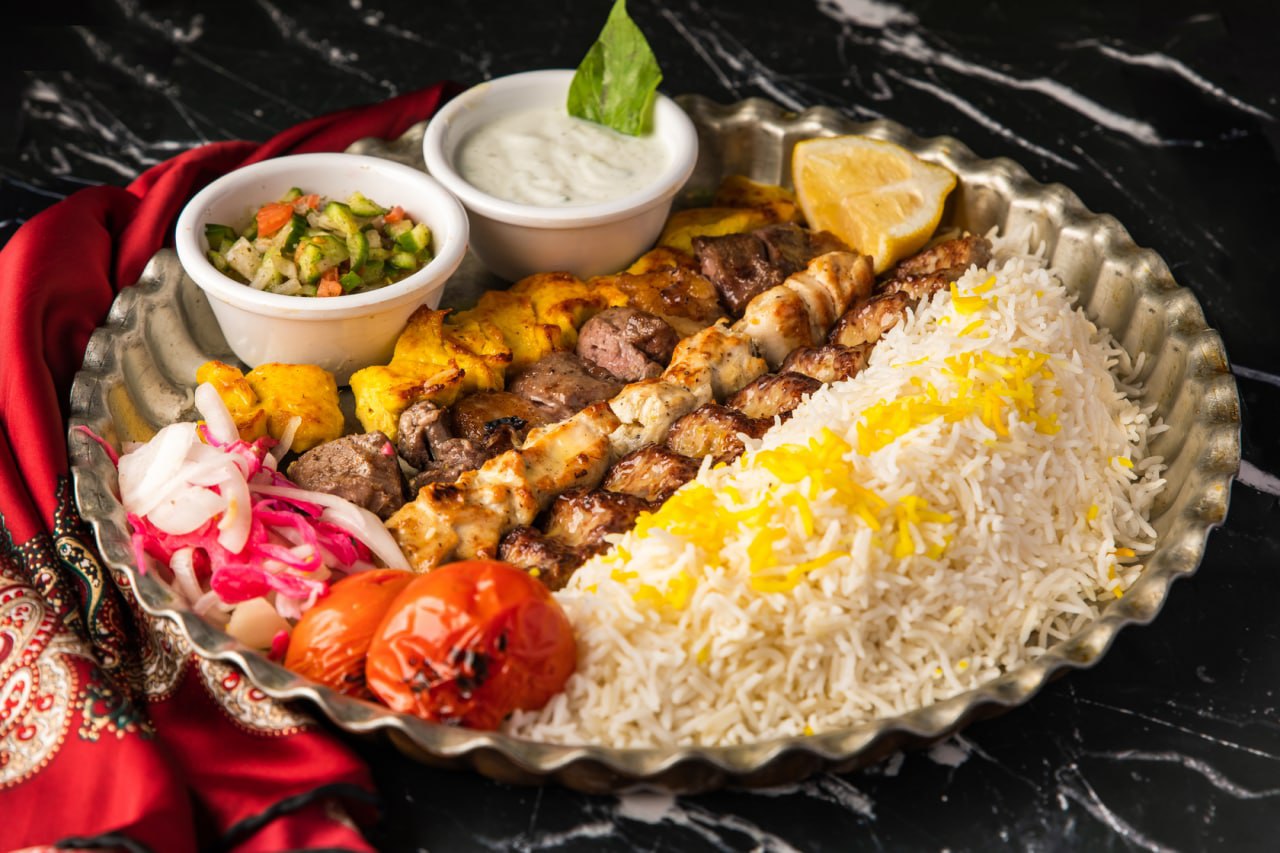
A mixed grill of Persian kebabs including Koobideh, Joojeh and Barg served at Alvand Restaurant in Dubai

Iranian kebab is not fast food. It is a craft that begins with the butcher's knife, continues through the marinade bowl, and ends over glowing charcoal. In Dubai, where every mall food court sells something called 'kebab', the real thing is harder to find — but it is worth the search.

At Alvand, we have been charcoal-grilling Persian kebabs since 1991. Our kitchen runs on mangal — the traditional open charcoal brazier — because gas and electric grills cannot produce the smoke, char and caramelisation that define authentic Iranian kebab. This guide explains every major type, how it is prepared, and what to look for when you order.
The Kebabs

Six kebabs every Persian table needs.

  1. 01 · کباب کوبیده

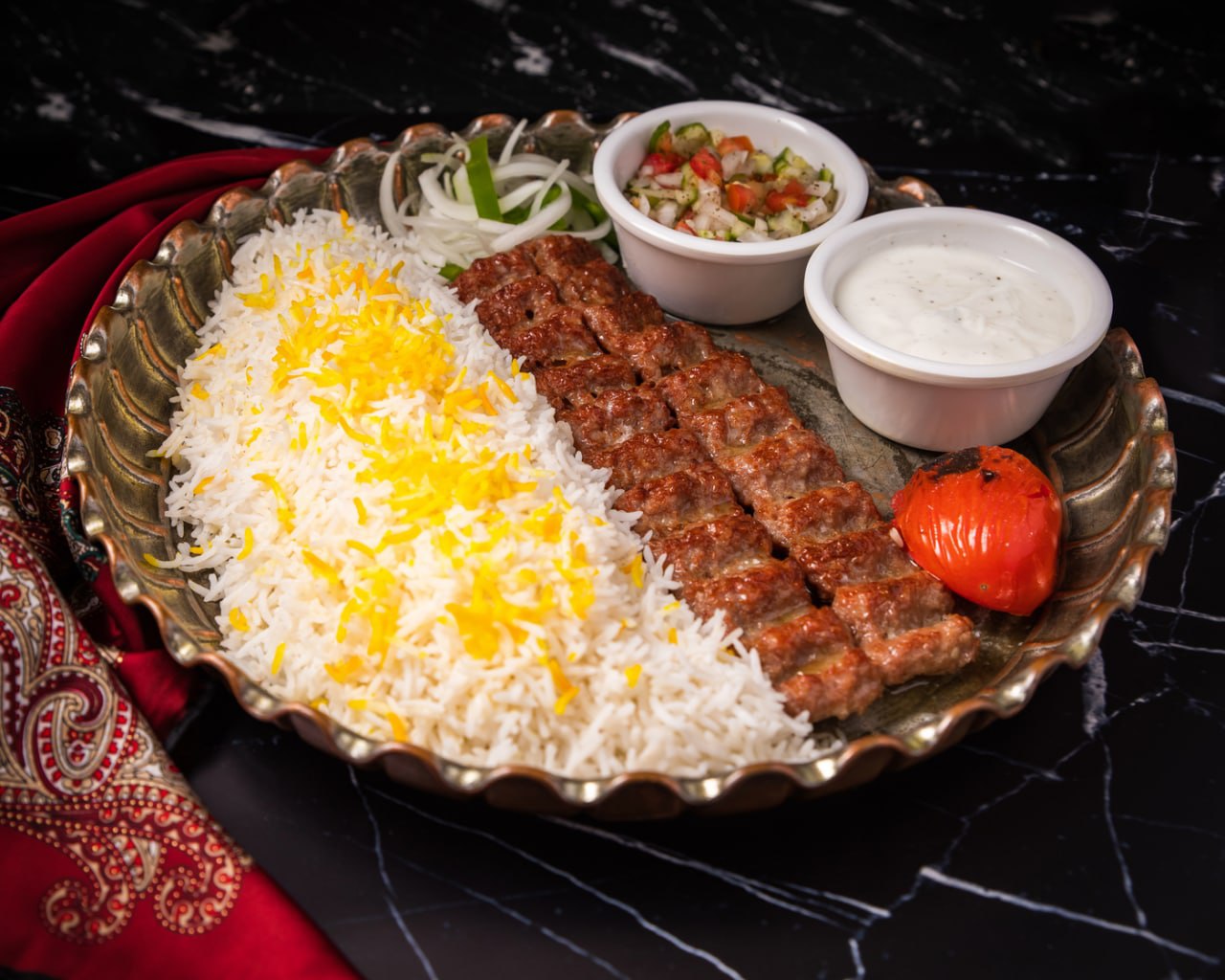
    Koobideh

    The king of Iranian kebabs. Lamb and beef are minced twice with grated onion, then hand-moulded around a flat metal skewer. The secret is in the wrist-flick that gives the meat its signature ridges — these catch the charcoal smoke and create the caramelised crust that Iranians fight over. At Alvand we grind our meat fresh every morning and skewer to order.

  2. 02 · کباب برگ

    Barg

    Thin strips of lamb fillet marinated overnight in onion juice, saffron and lemon. The acid tenderises the meat while the saffron stains it gold. Grilled for ninety seconds per side over white-hot charcoal, then rested on a bed of buttery rice. The result is fork-tender, lean and deeply aromatic.

  3. 03 · جوجه کباب

    Joojeh

    Boneless chicken thigh marinated in yoghurt, saffron and lemon — a technique that keeps the meat moist even over intense heat. The yoghurt creates a subtle tang and helps the saffron penetrate deep into the fibres. Joojeh is the kebab Persian mothers order for children; at Alvand, adults finish the plate just as fast.

  4. 04 · چنجه

    Chenjeh

    Chunk-cut lamb shoulder, rubbed with sumac and black pepper, then seared quickly over open flame. Chenjeh is the rustic cousin of Barg — bigger pieces, more chew, more smoke. It is the kebab of mountain shepherds, and we grill it exactly that way: bold, charred and unapologetic.

  5. 05 · کباب سلطانی

    Soltani

    One skewer of Koobideh and one of Barg on the same plate. The name means 'royal' and the combination is exactly that — the juiciness of minced meat paired with the refinement of fillet. Served with Alvand's saffron steamed rice and a blistered tomato.

  6. 06 · کباب بختیاری

    Bakhtiari

    Alternating pieces of lamb and chicken on the same skewer, each marinated separately then combined. Bakhtiari represents the nomadic tribes of western Iran who cooked whatever protein they had. The interplay of lamb richness and chicken lightness makes this one of the most sought-after mixed grills in Dubai.

Fresh Koobideh kebab being charcoal-grilled at Alvand Restaurant

The Grill

Why charcoal matters.

Gas grills cook with hot air. Charcoal grills cook with radiant heat and smoke. The difference is the difference between boiled meat and roasted meat — Persian kebab demands the latter.

At Alvand, we light natural hardwood charcoal every morning and maintain it throughout service. The fat that drips from the skewers flares against the coals, creating a vapour that rises back into the meat. This is the 'smoke kiss' that no electric element can replicate.

Our grill chefs have ten to twenty years of experience. They know by sound when the coals are too hot, by sight when the kebab needs a quarter-turn, and by touch when it is ready to come off. This is not a job you learn from a manual.

Visit

Taste the real thing.

98 Cairo Street, Al Mamzar, Deira · Open 24/7 · Free home delivery across Dubai.